Healthy and safe students are better learners, which is why preventing substance misuse is a top priority for NYC Public Schools (NYCPS). These prevention and intervention resources are available to anyone who might be struggling.
Get Help Now
If you are experiencing a life-threatening emergency or overdose, call 911.
Addiction support
For help with alcoholism, drug misuse, and gambling harms, call the NY State Hopeline.
Call 1-877-8-HOPENY (467369)
Available 24/7, with multilingual support.
Confidential support
A free confidential support, crisis intervention, and information referral service is available for anyone seeking help for mental health and/or substance misuse concerns.
Contact 988
Available 24/7.
Substance Abuse Prevention and Intervention Specialists (SAPIS)
The Substance Abuse Prevention and Intervention Specialists (SAPIS) program provides a range of prevention and intervention services in grades K–12. The goals of the program are to:
- Reduce the prevalence of substance abuse among youth
- Delay the initiation of substance abuse behavior among youth
- Decrease the negative health, social, and educational consequences associated with substance abuse
- Prevent the escalation of substance abuse behaviors to levels requiring treatment
Services provided through SAPIS include:
- classroom lessons (using evidence-based programs)
- individual and group counseling
- peer leadership programs
- positive alternative activities
- crisis intervention
- conflict resolution
- assessments and referrals for mental health and substance abuse services
- school-wide prevention projects
Students who are at risk for alcohol and substance abuse, gang involvement, suspension from school, disruptive behaviors, and violations of the Discipline Code are referred to SAPIS for intervention services. The SAPIS program provides parent workshops that address alcohol and substance abuse issues as well as bullying and violence prevention. Schools that need support can also receive crisis-response services from SAPIS.
Preventing Vaping and E-Cigarette Use
Did you know that experts estimate that 3.6 million young people in the US vape? That’s more than any other tobacco product. Though originally created to be a safer alternative to cigarettes for adults, the science is clear: no amount of e-cigarette use is safe—especially for children, teens, and young adults.
Just like alcohol and other drug addictions, e-cigarettes affect both the physical and mental health of adolescents who use them. They can harm your child’s mood, worsen their behavior, and impair their judgement—all of which has a negative effect on their education and learning.
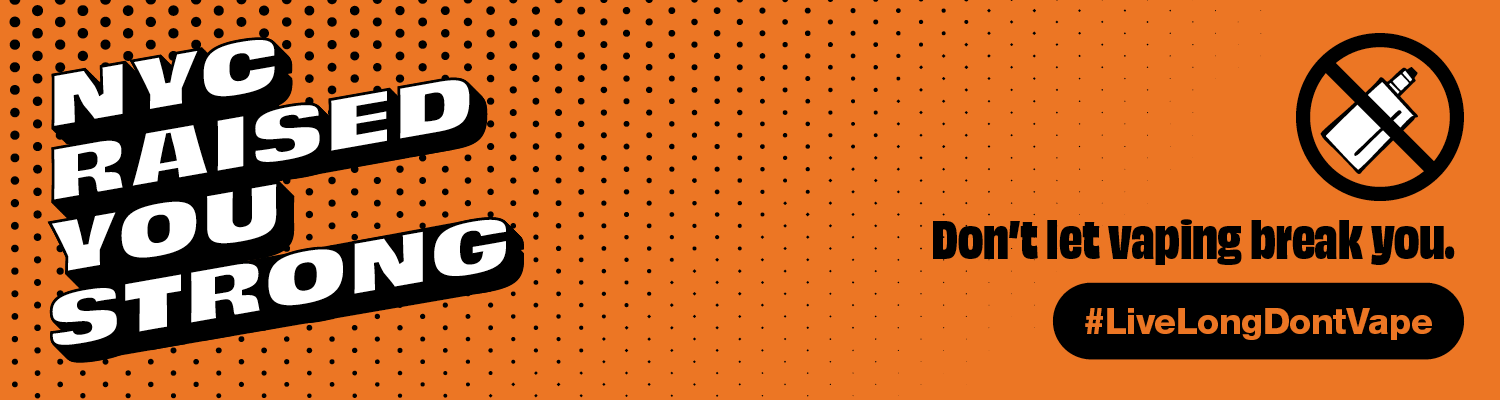
Our families, staff members, and students have made their voices heard: we must confront the vaping crisis together. That’s why in spring 2025, we launched “NYC Raised You Strong: Don’t Let Vaping Break You,” a student-led initiative that empowers young people to drive change in their own school communities. The campaign’s student leaders receive hands-on training in peer-to-peer advocacy and leadership, ensuring that our students hear about the dangers of vaping from the people they trust the most: their classmates.
Anti-Vaping Resources for Students and Families
Help is available in your school. If you’re struggling with vaping, reach out to:
- Your School Nurse
- SAPIS
- Your Health Education Teacher
- Your School-Based Health Center
We’re also proud to partner with our school communities, City and State agencies, and other organizations across all five boroughs as we work together to combat the threat posed by e-cigarettes.
NYC Department of Health and Mental Hygiene: E-Cigarettes has many resources available for young people and their families looking to learn more about vaping, its risks, and for help to quit, including:
- Information about Drop the Vape, a free, confidential texting support service to help people ages 13 to 17 quit vaping.
- The Don’t Get Hooked comic book for middle school students (available in English and Spanish).
- A toolkit to help families talk to their children about tobacco and e-cigarettes (available in multiple languages).
- Resources to connect with other families.
- Additional resources for teens and their families to learn more about e-cigarettes and the harm they can cause.
Families can also learn more about the youth vaping epidemic and find strategies for talking to children about vaping from:
For more information on anti-vaping prevention or intervention, email PreventionSupport@schools.nyc.gov.
Additional Substance Misuse Prevention Resources
To ensure our students are as happy, healthy, and focused as they can be, it’s important to stop unhealthy addictions before they start and provide students with the resources that they may need to help them quit. If you or your family member is struggling with substance misuse, help is available.
New York City and State Resources
- ReStart Academy is for 13–21-year-old students in different settings, including substance abuse day and residential treatment. ReStart provides a path to middle school promotion, high school diploma, or high school equivalency. There are locations throughout the City and two live-in locations in upstate New York.
- The New York State Quitline is available to any New Yorker who is ready to quit smoking, vaping, or using tobacco. Call 866-NY-QUITS (866-697-8487).
- NY State Office of Alcoholism and Substance Abuse Services (OASAS) oversees one of the nation’s largest addiction services systems with nearly 1,600 prevention, treatment and recovery programs.
- Talk2Prevent is an OASAS website for parents that includes a toolkit with conversation starters, a list of warning signs, as well as information about underage drinking and drug use.
- NYC Health offers resources for alcohol and drug abuse, as well as local data from the NYC Department of Health and Mental Hygiene.
- The Synthetics Toolkit provides resources for substance abuse of synthetic marijuana, which can cause dangerous health effects and even death.
National Resources